






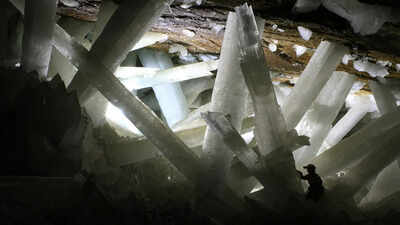
Deep within the arid regions of Chihuahua, the Naica Mine had been operating on an industrial level for ages by pulling lead and zinc out of the area. It was when one of the normal shifts involved drilling in one of their usual tunnels that they discovered something different, a crack in the limestone wall which revealed something that defied natural logic. What the miners stumbled upon was the Cave of the Crystals, a giant cave where huge, crystal white formations stand out.The sight was so overwhelming that the people who discovered it took a little time just to grasp its size. These were not the small clusters sold at hobby shops, but huge columns, almost 12 meters in length. Every beam weighed as much as a full trailer truck. This was an instance when human industry met nature in its purest form, and served as a reminder that there is more in mining than meets the eye. Even Earth hides some surprises large enough to stop even experienced miners in their tracks.The harsh reality of nature’s furnaceWhile it may seem like an ice cave, living within its walls will be quite uncomfortable. The temperature is maintained at around 55°C, and the relative humidity remains at 100%. Being exposed to such conditions feels like a constant stay in a sauna. According to the research Geomicrobiology of the Giant Naica Crystals, this climate was what allowed the crystals to grow so large over hundreds of thousands of years, thanks to the mineral-laden water filling the cave all this time.This growth is not only remarkable but also vulnerable. The source of warmth is located in a chamber of magma that lies very deep below the surface, making the liquid retain the proper chemical equilibrium for further development. Thus, the gypsum is capable of growing crystals of selenite but cannot disintegrate them. What is created there is a slow and dreamlike process of a tireless architect arranging atoms of nature one by one for countless years to come until the time when the crystals reach the roof. The high temperature leaves people with no more than a few minutes to spend inside to take each shot and conquer an unfriendly environment.
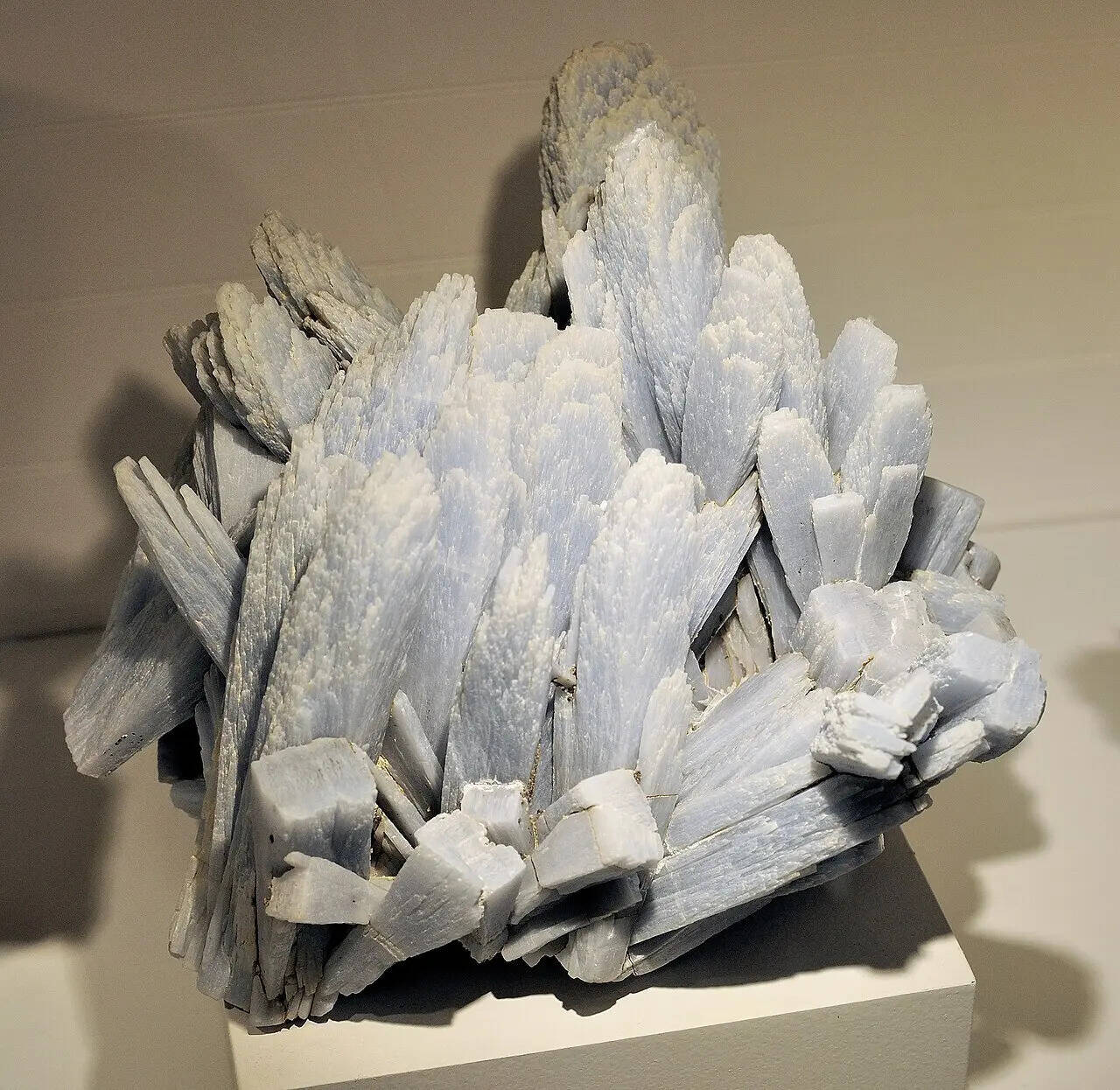
This natural wonder, a result of hundreds of thousands of years of growth in extreme heat and humidity, also preserved ancient microorganisms. The cave, now flooded again after pumps were turned off in 2015, continues its slow, protected formation. Image Credits: DerHexer, Wikimedia Commons
A time capsule of life for ancient and future generationsIn addition to their huge size and natural beauty, these crystals have been found as a time capsule containing life forms that have been researched recently. Small bubbles of fluid inside the gypsum preserve microorganisms that are thousands of years old. In an article published in Antonie van Leeuwenhoek, scientists report that these creatures survived in complete darkness and under such high temperatures by living off minerals around them.The cave is also a lesson in the fragility of our planet’s hidden wonders. As detailed in the NASA Photojournal report on the Naica Mine, the only reason humans could enter the cave was that the mining company used massive pumps to keep the groundwater at bay. In 2015, those pumps were eventually turned off, allowing the cave to flood and return to its natural, watery state. While this means the era of human visits has ended, it also means the crystals are once again protected. They are back in the environment that created them, continuing their slow growth in the silent, hot depths of the Mexican desert.Naica is not just any mining operation. It is a humbling indication of how much remains to be discovered beneath our very feet. Its discovery in the year 2000 has proved that there is no limit to what nature can produce if it is given enough time and warmth. Naica marks not only a milestone in the field of mineralogy but also acts as an important warning about the dangers that lie ahead.