




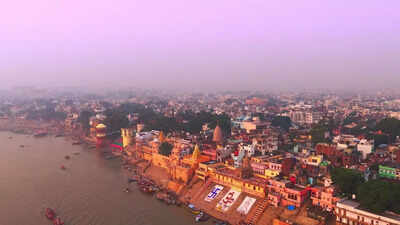
Do you ever wonder why most of the India temples are built around the rivers? There’s no denying that temples are cradles of spirituality and heritage and are mostly nestled along riverbanks that blend the divine reverence with nature. Interestingly, from Ganga’s ghats in Varanasi to the Kaveri’s shores in Tamil Nadu to Vrindavan around Yamuna, this tradition reflects a profound Vedic and practical wisdom, symbolizing rivers as life-givers and believing them to be the core of Hindu rituals.Sacred rivers as divine mothersIn India, sacred rivers like Ganga, Yamuna, and Narmada are worshipped as goddesses in Hinduism. This is because these sacred rivers embody purity, divine nurturing and feminine energy. It was believed that most temples were built near rivers, as they are motherly abodes where holy baths (snana) and rituals are believed to cleanse sins (paap) and heal the soul. In fact, as per the Vedas and Puranas, pilgrims dip at sites like Trimbakeshwar on Godavari for moksha. Ganga Aarti at Dashashwamedh Ghat exemplifies this, where fire rituals invoke the river’s blessings for spiritual renewal.
Vastu Shastra and Energy AlignmentVastu principles dictate temples face water bodies for prana (life force) flow from northeast directions. Rivers amplify positive energies, shielding structures from malefic forces, while water’s movement symbolizes time’s eternal flow, aiding meditation and darshan. Omkareshwar Temple on Narmada exemplifies this cosmic balance.
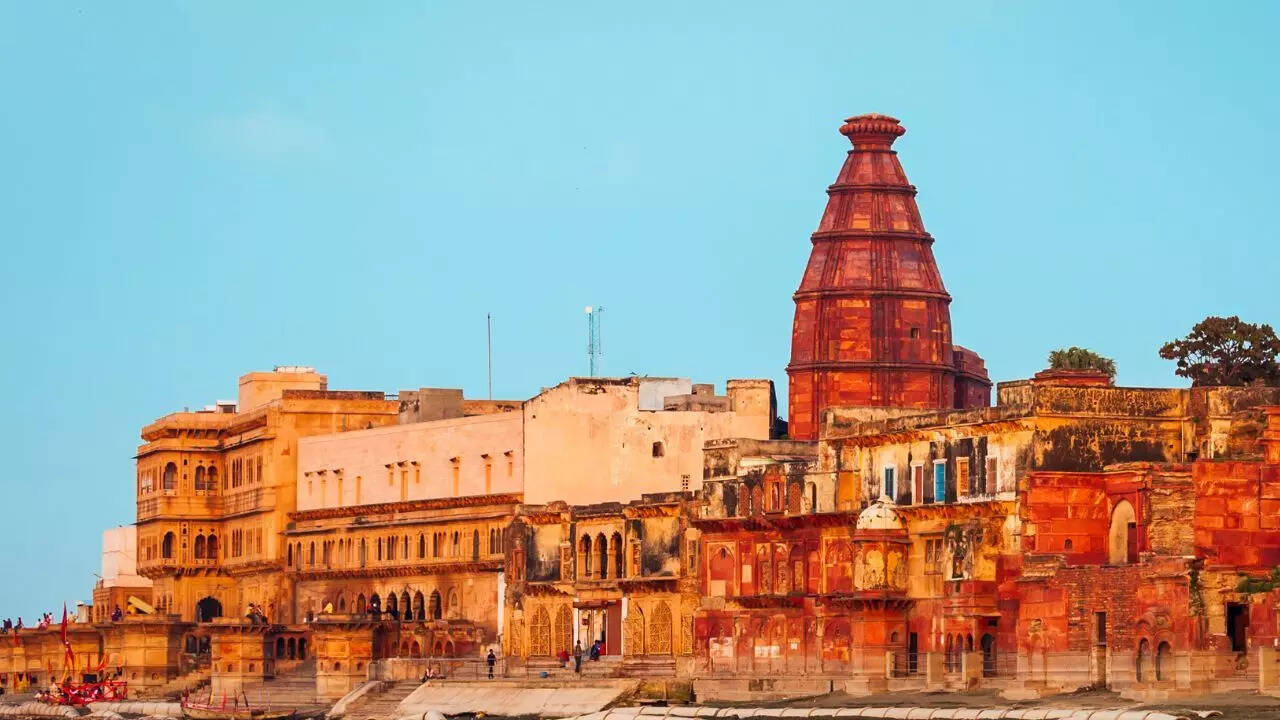
Practical and Historical ReasonsAncient builders chose rivers for water supply during construction and festivals like Kumbh Mela, supporting massive pilgrim gatherings. Fertile banks sustained temple economies via agriculture and trade, as seen in Haridwar’s growth along Ganga. Floodplains provided stable soil for grand architecture enduring centuries.Ritual and Pilgrimage SignificanceRiverbanks host tarpana (ancestor offerings) and pinda daan, linking the living with the divine. Sacred confluences (sangams) like Allahabad amplify potency—temples there draw millions for mass immersions, granting punya (merit). Kashi Vishwanath thrives on such pilgrim energy.Environmental and Symbolic HarmonyRivers foster biodiversity, mirroring the temple ethos of nature reverence; sages meditated here, birthing sites like Rishikesh. Symbolically, water dissolves ego, preparing devotees—emperors like Akbar patronized such locations for prosperity. This synergy ensures temples remain vibrant spiritual hubs.