




LONDON- British Airways (BA) has started deploying ultra-fast Starlink Wi-Fi, with its first equipped Boeing 787-8 now in active service. The aircraft has already operated routes including Mumbai Airport (BOM), Montreal Airport (YUL), and Cincinnati Airport (CVG).
The airline plans a full fleet rollout within three years, offering free high-speed connectivity to passengers as competition intensifies across Europe and North America.
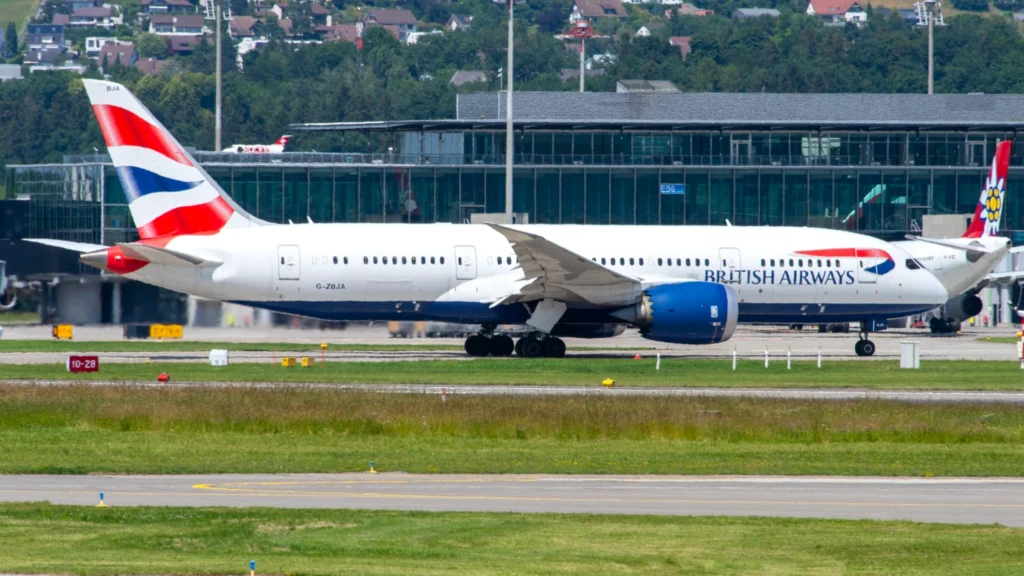
British Airways Starlink on 787
British Airways has confirmed that its first Starlink-enabled aircraft, a Boeing 787-8 Dreamliner, has entered commercial service after undergoing retrofit work at its Heathrow engineering base. The installation took place between late February and mid-March.
Since returning to operations, the aircraft has completed multiple long-haul flights and is scheduled for additional services, including routes to Houston and Mumbai. These early deployments allow the airline to test real-world performance before scaling installation.
The airline will initially focus on its Boeing 787-8 fleet, which previously lacked onboard Wi-Fi. This simplifies the installation process and allows engineering teams to build experience before moving to more complex retrofits on aircraft with existing systems.
According to PYOK, this phased approach is designed to reduce downtime and improve efficiency during the broader rollout.
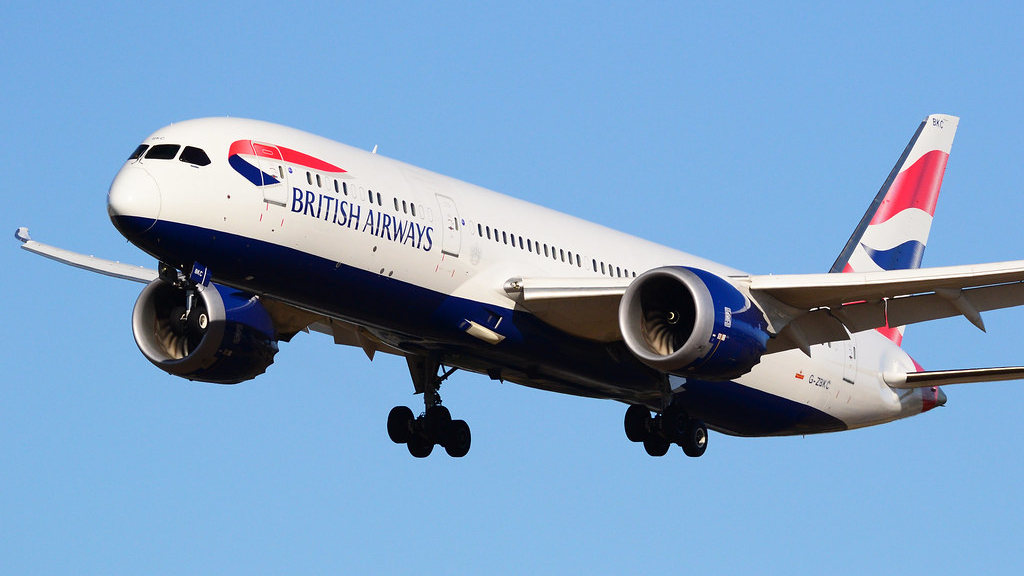
Expansion Plan Across Widebody and Narrowbody Fleet
Once the Boeing 787-8 installations are complete, British Airways plans to expand Starlink integration to other aircraft types. This includes select Boeing 787-9 Dreamliners, followed by larger aircraft such as the Airbus A380.
The airline has set a tentative timeline of up to three years to equip its entire fleet. This includes both long-haul widebody aircraft and short-haul Airbus A320 family jets.
The rollout is part of a wider agreement under International Airlines Group (IAG), which also includes Aer Lingus, Iberia, Vueling, and LEVEL. While British Airways will offer Starlink free of charge, low-cost carriers within the group are expected to treat the service as a paid add-on.
Competitive Pressure in In-Flight Connectivity
British Airways is entering a competitive market where several global carriers are adopting Starlink. Air France has already begun installations on its short-haul fleet, while Lufthansa and SAS have also selected the service.
In North America, United Airlines has been deploying Starlink across regional and narrowbody aircraft for over a year, though its widebody rollout remains pending.
The airline sees Starlink as a key differentiator, especially on short-haul European routes where competitors like Ryanair have rejected the technology. Ryanair has cited concerns about fuel efficiency and passenger demand, although these claims have been disputed.
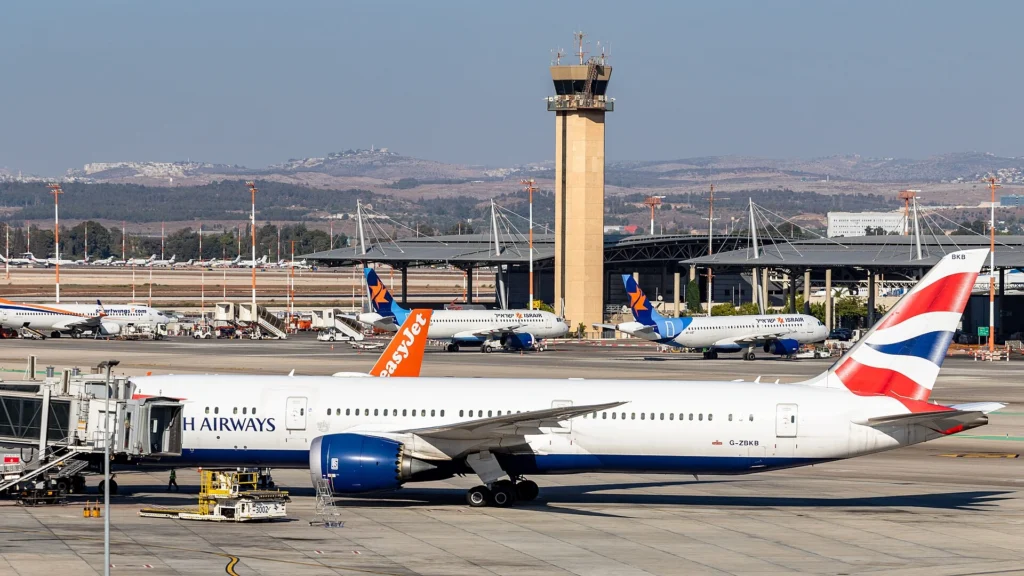
Starlink’s Growing Dominance in Aviation Connectivity
Starlink operates through a network of low-earth orbit satellites, enabling high-speed, low-latency internet coverage across most global regions. This technology is increasingly replacing legacy systems from providers such as Panasonic and Thales.
Its main competitor, Amazon-backed Leo, is still in development. JetBlue is currently the only airline committed to Leo, with expected activation targeted for 2027.
As more airlines adopt satellite-based connectivity, Starlink is quickly becoming the preferred solution for in-flight internet, particularly for long-haul operations.
Stay tuned with us. Further, follow us on social media for the latest updates.
Join us on Telegram Group for the Latest Aviation Updates. Subsequently, follow us on Google News