




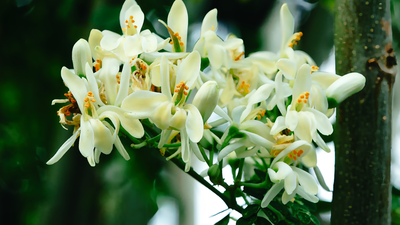
Moringa, also called the Sahjan or the drumstick tree, is one of the easiest “super food” plants to cultivate at home in India or in most parts of the world where the climate is warm and sunny. Moringa loves the sun, can thrive in drought conditions, and provides you with fresh leaves, flowers, and drumsticks from your own home or balcony! This guide will take you through the steps to cultivate and nurture Moringa at home with easy steps that even a newbie could follow, with suggestions gleaned from seasoned Moringa growers and small-scale cultivation studies.
Choosing where to grow moringa at home
Moringa, or Moringa oleifera, is a plant that, according to Tamil Nadu Agricultural University, “prefers warm, sunny conditions and grows best in areas where the air temperature is within a range of about 25 to 35 degrees centigrade. It is native to the sub-Himalayan belt and tropical areas of India. It can be grown on a balcony, terrace, or small garden where it can receive plenty of sun.”Main things to check:
- Sunlight: At least 6–8 hours of direct sunlight each day.
- Soil: Light, well-draining soil, slightly acidic to neutral in pH, i.e., ranging from 6.3 to 7.0.
- Container: If you’re putting it in a large pot or tub, it should be at least 30–40 cm deep so that the long taproot has room.
How to plant moringa seeds or cuttings
There are two ways of planting your home moringa plant. You can either plant it using moringa seeds or a branch cutting:
From seeds
Moringa seeds can germinate immediately after they ripen. They can also remain viable for a year. A brief list of steps:
- Soak the moringa seeds in water overnight. This will enhance quick germination.
- Plant the moringa seeds about 1 to 2 cm deep in the ground.
- If you wish to plant multiple moringa plants, make sure to keep each moringa seed about 30 to 60 cm apart.
- In a garden setting, you can keep moringa plants about 2 to 3 meters apart.
- Water the soil slightly. Moringa plants usually take between 5 to 12 days to germinate.
From cuttings
- A hard branch about 1 to 1.5 meters long can serve as a cutting.
- Plant about a third of the cutting branch about 50 cm deep in sandy soil.
- Moringa does not like wet soil: Watering should be done lightly.
Watering, feeding and basic care for moringa
Once it has established itself, it is quite drought-resistant, owing to its taproot. However, for the first 2 to 3 months, it is necessary to keep it well-watered.Some easy-to-follow guidelines:
- Watering: It is necessary to keep the soil moist but not waterlogged. Allow the top of the soil to dry slightly before watering.
- Fertiliser: Moringa trees may be grown without additional fertiliser. However, compost or farmyard manure may be added to the soil for enhanced growth. Some research in India has indicated that farmyard manure, in combination with a small dose of nitrogenous fertiliser, may increase pod yield.
- Pruning and Pinching: When the tree reaches a height of about 60 to 75 cm, it is necessary to pinch off the top portion of the stem to encourage side branches. This has to be done gently on new side shoots too, until the tree is fully grown, so that the drumsticks are within easy picking distance.
Dealing with pests, diseases and harvesting
Moringa is naturally resistant to many pests, although young seedlings may be susceptible to aphids, caterpillars, or mites. Low-chemical methods of controlling pests include picking them off, using neem sprays, and keeping the area clean and well ventilated. Excessively wet and waterlogged soil can cause root rot, so good drainage is more important than frequent watering.For harvesting at home:
- Harvest the young drumsticks when they are still green and snap when bent; they become hard with age.
- For leaves, pick the tips of the leaves and the leaves themselves when they are still tender and young; older leaves can be dried and made into powder or tea.
If you follow the above simple instructions, you can maintain a healthy moringa (sahjan) plant in your backyard with minimal maintenance and watering.