




A lawsuit filed in Texas has brought renewed attention to the safety of energy drinks, particularly among teenagers. The case centres on the death of 17-year-old Larissa Rodriguez, a high school cheerleader from Weslaco, whose family claims excessive caffeine intake from a popular energy drink contributed to her sudden death. According to attorneys, a coroner’s report linked her passing to an enlarged heart caused by stress and high caffeine consumption. The legal action now targets both the drink’s brand and its distributor, raising broader concerns about labelling, marketing, and health risks. As details emerge, the case appears to highlight ongoing debates around how energy drinks are consumed and regulated, especially for younger individuals.
Energy drink under scrutiny after US teen death
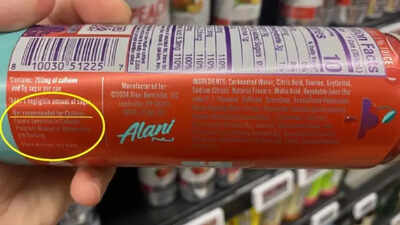
The lawsuit, filed by Rodriguez’s parents, alleges that the energy drink she consumed contained dangerously high levels of caffeine. As reported by The New York Post, Attorneys argue that a single 12-ounce can reportedly carry around 200 milligrams of caffeine. That figure, they say, exceeds what many health organisations consider safe for teenagers in a full day.The legal complaint suggests the product was “dangerously formulated” and lacked clear warnings. It also claims that additional stimulants, including taurine, may have intensified the effects of caffeine. These compounds, according to the filing, were not fully disclosed in a way that would allow consumers to understand the risks.The family’s legal team argues this combination may lead to conditions such as cardiac arrhythmia or cardiomyopathy. A coroner reportedly determined that Rodriguez died from cardiomyopathy, a condition affecting the heart muscle. The report linked this to excessive caffeine consumption. It also noted stress as a contributing factor. Cardiomyopathy can weaken the heart over time. In severe cases, it may lead to sudden cardiac events.Attorneys say Rodriguez had no known prior health issues. No history of substance abuse either.
Lawsuit claims: Weak warning labels and hidden ingredient concerns
Another key argument focuses on the product’s labelling. The lawsuit claims warning text on the can was too small and not prominent enough. It reportedly advised that the drink was not recommended for children or individuals sensitive to caffeine. Still, the family argues this was insufficient. There are also claims about an “energy blend” listed on the label. The lawsuit states that specific ingredient amounts were not disclosed. This, according to the filing, may prevent consumers from making informed decisions.Experts often point out that transparency in ingredient labelling is important, especially for stimulant-heavy products.
‘Healthy lifestyle’ branding of energy drinks questioned in ongoing legal battle
The case also raises questions about how energy drinks are marketed. According to the lawsuit, the product was promoted as part of a healthy and active lifestyle. Marketing campaigns reportedly targeted younger consumers, including teenage girls, through social media.The family’s attorneys argue this may have created a misleading impression of safety. They claim the branding positioned the drink as a wellness product, despite its high caffeine content.
Health concerns over high caffeine levels resurface amid ongoing legal battle
This lawsuit arrives amid ongoing scrutiny of energy drinks in general. Health organisations have long expressed concerns about their effects on minors. Some guidelines suggest limiting caffeine intake for teenagers to around 100 milligrams per day. Many energy drinks exceed that in a single serving. There have been similar legal cases in recent years. Some involved highly caffeinated beverages linked to cardiac events. In those instances, questions were raised about labelling, placement in stores, and consumer awareness.The legal process is still in its early stages. Rodriguez’s family is seeking damages, arguing that wrongful conduct contributed to their daughter’s death. The companies named in the lawsuit have not yet publicly responded in detail to the claims outlined in court filings.It may take months, possibly longer, before the case moves forward. In the meantime, the situation continues to draw attention to how energy drinks are consumed, especially by younger individuals. It also raises questions about regulation, product formulation, and whether current warning labels are enough.