




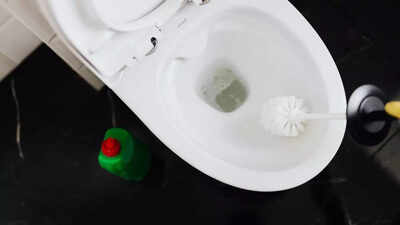
Toilet bowl rings and stains are one more thing in the bathroom that can leave it looking unclean, even if it is spotlessly cleaned. Toilet bowl rings are usually seen as shades of brown, grey, or pink rings encircling the toilet waterline. They appear mostly due to the presence of minerals from hard water.Many people scrub harder, but the stains keep coming back. Toilet rings are stubborn, but they are not permanent. The good news is that toilet bowl rings can be removed using proper cleaning methods. Understanding why these stains appear and how to treat them correctly can save time, effort, and cleaning products in the long run. With an effective routine, you can maintain a clean toilet free of rings and stains without aggressive scrubbing.
What causes toilet bowl stains and rings
Identifying the cause of these stains makes removal easier. Toilet bowl rings and stains are mostly the result of mineral deposits in hard water, where calcium and iron are the commonly involved culprits. If the water sits stagnant, the mineral particles will settle, sticking to the surface of the toilet bowl. Sometimes, bacterial growth, such as Serratia marcescens, can cause the toilet bowl to become pink or reddish in colour.
7 ways you can remove toilet bowl stains
Below is a list to get rid of those stubborn stains and make your toilet bowl clean to look at. White vinegar is an excellent solution for removing hard water stains. Pour one to two cups of vinegar into the toilet bowl so that the vinegar touches the ring you need to remove. Let it sit for at least 30 minutes or even overnight in the case of stubborn stains. The acidity will help in dissolving the calcium and iron deposits to make your cleaning easy and effective.Baking soda goes well with vinegar. After settling the vinegar, sprinkle baking soda directly onto the stain. The fizzing action helps to pull residue off the porcelain surface. Use a toilet brush to gently scrub off loosened stains without scratching the bowl.Pumice stones work great for stubborn, set-in stains. Use a pumice stone made especially for cleaning toilets. Keep it wet and rub gently over the ring to avoid scratching the porcelain. This really does an excellent job on thick mineral deposits.
- Using commercial toilet bowl cleaner
Specialised cleaners are prepared for difficult stains. Choose a toilet bowl cleaner and look for a label that says hard water or rust stains. Apply it under the rim and around the bowl as directed. Allow it to sit for the recommended time before scrubbing and flushing for best results.
- Reducing water level before cleaning
Lowering the water level improves stain access. Turning off the water supply and flushing reduces the water level in the bowl. This exposes the ring completely when cleaning, allowing cleaning agents to work directly on the stain. It’s especially helpful for rings that sit at the waterline.
- Installation of water softener
Hard water contains high levels of minerals such as calcium and iron that settle in the toilet bowl and, over time, form unappealing rings. A water softener reduces those minerals before they get to your plumbing fixtures. Besides preventing toilet bowl stains, this will protect pipes and faucets and appliances from scale buildup, eventually making maintenance a whole lot easier.Consistency helps prevent tough stains. Cleaning the toilet bowl once or twice a week stops minerals from settling and making rings. Regular maintenance keeps the bowl clean longer by reducing the need for heavy scrubbing and harsh cleaners.