




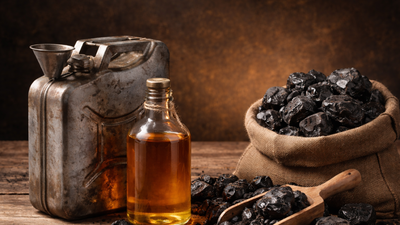
India is temporarily reverting to use of kerosene and alternate fuels such as coal and biomass for cooking as disruptions in Middle East strain LPG supply chains.The measures follow the effective shutdown of the Strait of Hormuz, a vital maritime corridor between Iran and Oman through which a large share of global oil and gas shipments move. The escalation began after strikes on Iran by the United States and Israel, followed by retaliatory action from Iran, disrupting tanker movement in the region.
Why India is feeling the impact
India is particularly vulnerable to disruptions in the strait because a significant portion of its energy imports transit through the route.
- India imports about 88% of its crude oil, 50% of LNG, and 60% of LPG needs.
- More than half of crude imports and around 55% of cooking gas supplies pass through the Strait of Hormuz.
- Around 85–90% of LPG imports come from Gulf producers such as Saudi Arabia, whose exports rely on the route.
While crude oil can be sourced from alternative suppliers including Russia, replacing LPG cargoes is harder because major alternative exporters are located farther away in countries like the United States and Canada, increasing delivery times.
Why kerosene and coal are returning
To conserve LPG for households, the government has temporarily restricted commercial use of cooking gas, forcing hotels and restaurants to switch to alternate fuels, according to PTI.Key measures include:
- Extra kerosene allocation: States have been given an additional 48,000 kilolitres of kerosene to support household cooking.
- Alternate fuels permitted: Hotels and restaurants can temporarily use biomass, refuse-derived fuel pellets and coal for cooking.
- Commercial LPG capped: Businesses will receive only 20% of their usual LPG demand during the disruption.
- Demand control: The minimum gap between LPG refills has been increased to prevent panic buying.
The return of kerosene is significant because India had spent the past decade eliminating its use due to pollution concerns and its diversion for fuel adulteration.Cities such as Delhi had already been declared kerosene-free, while government schemes like Pradhan Mantri Ujjwala Yojana expanded LPG access to rural households to replace traditional fuels like firewood and coal.
No petrol or diesel shortage
Officials say there is no shortage of petrol or diesel, with refineries running at high utilisation and crude supplies being sourced from a wider network of countries.However, LPG remains under pressure because imports from Gulf suppliers — which normally account for about 60% of India’s LPG imports — have been disrupted.Authorities say the use of kerosene and alternate fuels is a short-term measure to manage one of the most severe energy supply disruptions in decades while new LPG cargoes are arranged from suppliers in Europe and North America.