




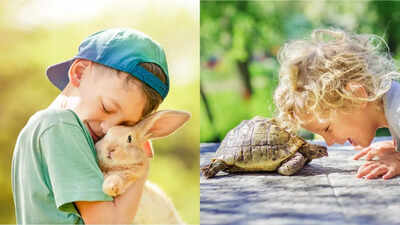
Pets make wonderful companions for children. Research has found that people reported mental health improvements from owning a pet and for children, that connection can also be a powerful driver of learning and development. According to a recent 2026 study published by Frontiers in Psychology, “Companion animals were associated with measurable improvements in children’s emotional wellbeing, including reduced anxiety and increased feelings of social support.”It shows that children with pets experience emotional benefits that go beyond companionship, including reduced anxiety and stronger emotional resilience. The type of pet a child cares for and when they start, can shape the kinds of skills they build, from empathy and patience in the early years to responsibility and problem-solving as they grow older.A 2026 study in the journal Anthrozoös (Taylor & Francis) revealed, “Children who actively participated in pet care demonstrated higher levels of empathy, prosocial behaviour and responsibility compared to non-pet-owning peers.” This directly backs the argument that different pets build skills like empathy, patience and responsibility. It highlights how active involvement in pet care, not just ownership, drives developmental benefits.
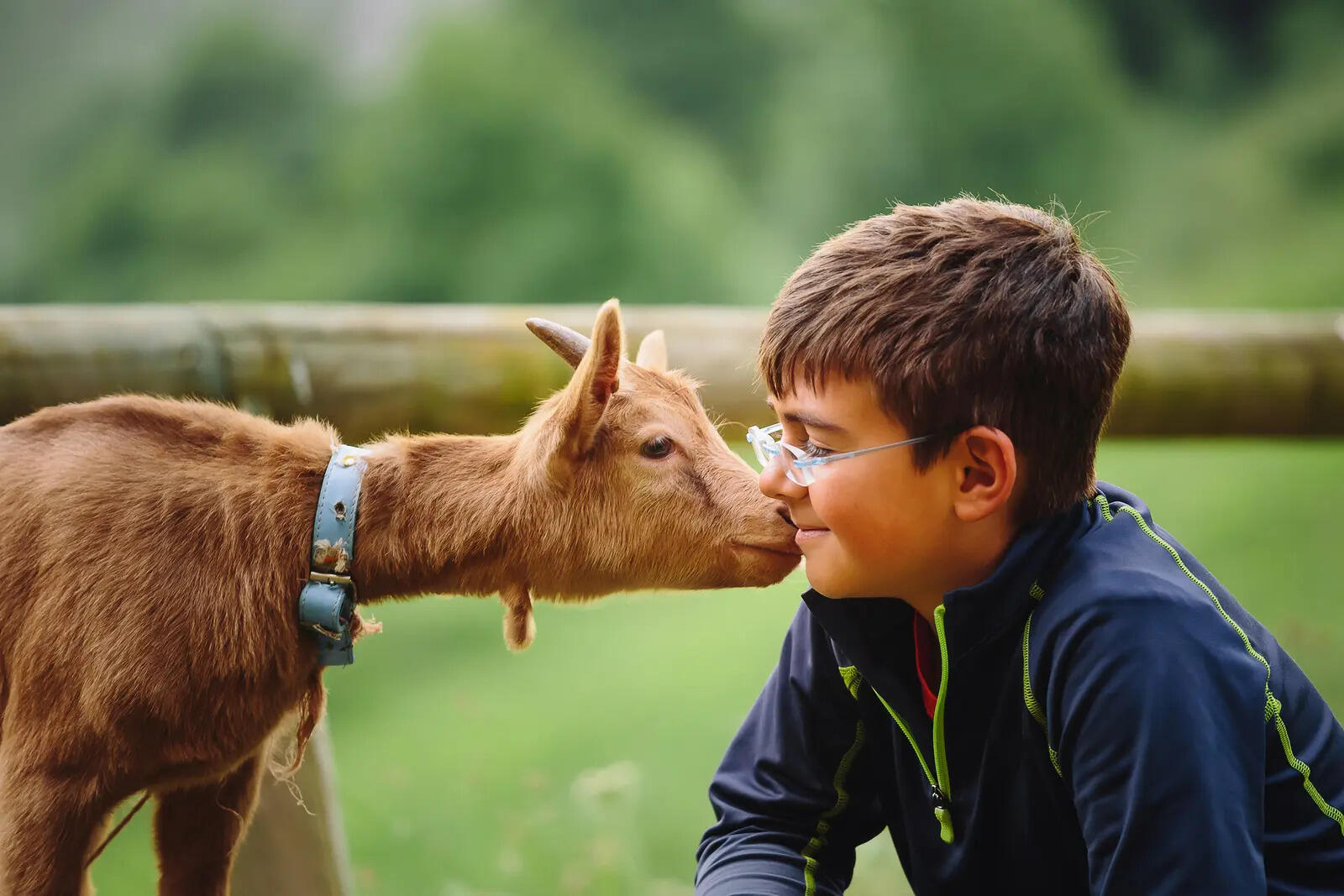
The animals that teach responsibility, empathy and problem-solving from age three to the teen years
The home environment plays a bigger role in learning than many parents realise and the family pet is no exception. Before we get into the details, a reminder that pets are a long-term responsibility. In an interview with the Times of India, David Smith, CEO of LA-based Silicon Valley High School, shared, “Pets require consistent care and commitment. Younger children, particularly, will need parental involvement and supervision to ensure both the child and the animal are happy and well looked after.”Read on as we reveal the best pet for each childhood age group and explain exactly what each one can teach –
Ages 3–5: Fish
For toddlers and preschoolers, a fish tank is the perfect starting point. Children are just beginning to understand that the world extends beyond themselves, and caring for a fish offers a gentle, low-pressure introduction to that idea.“Watching fish and helping with feeding gives young children an easy routine,” said Smith. “It teaches them that another living creature depends on them, which is a big concept for a three or four-year-old to grasp. That early sense of responsibility is a building block for so many other skills.”Fish naturally spark curiosity. Preschoolers are drawn to colour, movement and pattern and an aquarium delivers all three, encouraging observation and early scientific thinking.
Ages 6–8: Guinea pig or hamster
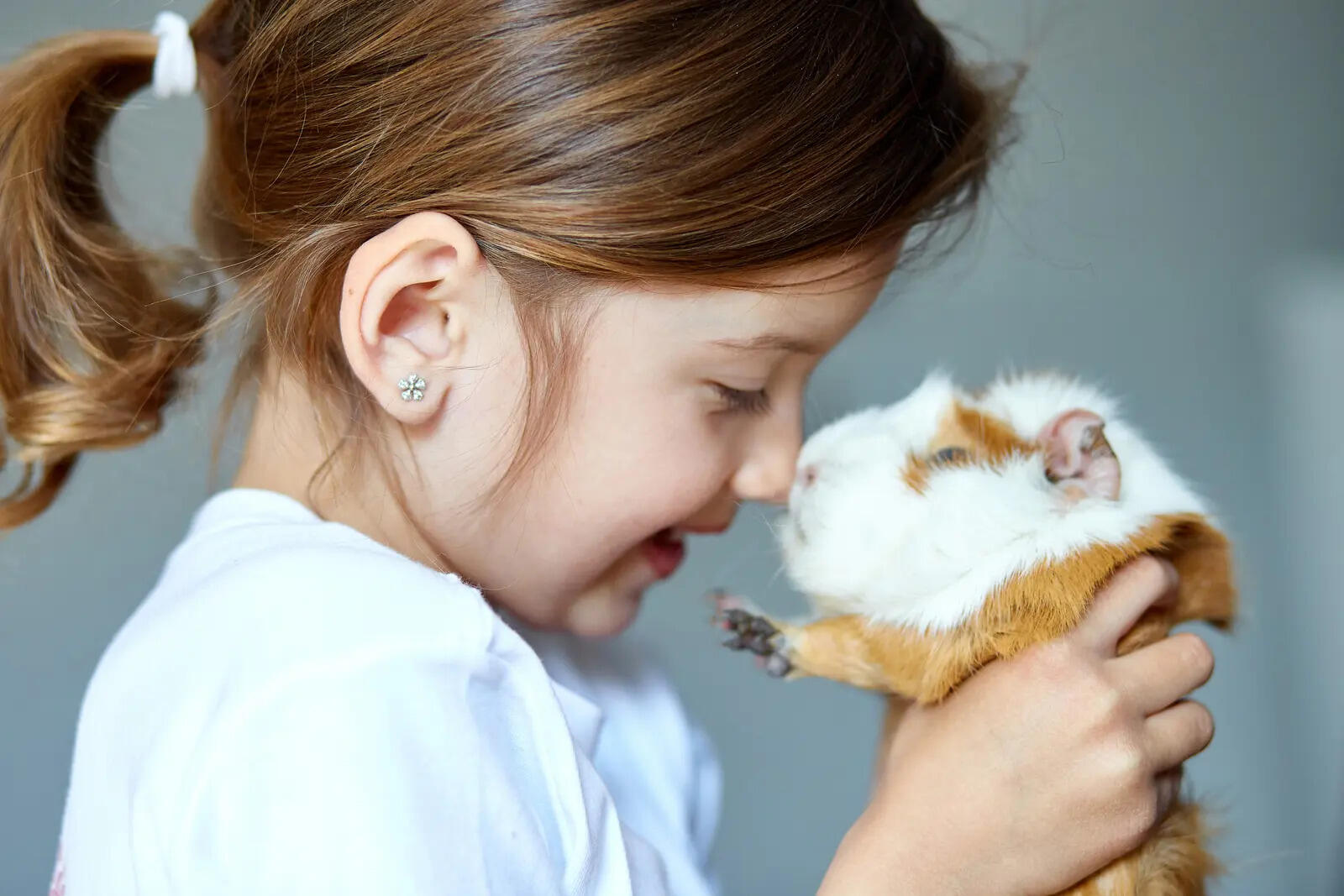
In early elementary school, children are ready for interactive pets. A guinea pig or hamster is small, manageable and gentle enough for young hands but they require enough daily care to teach commitment.
Education Expert: Choosing the Right Pet for Your Child’s Age Could Boost Their Development
“Children understand cause and effect,” Smith explained. “When they forget to clean the cage, they see the consequence. That link between action and outcome is something we try to teach in the classroom but a pet makes it tangible and immediate.”Caring for a small mammal builds empathy. Learning to read an animal’s body language and respond to its needs encourages children to think beyond their own wants, a skill that translates directly into how they relate to others.
Ages 9–11: Bird or reptile
Upper elementary is a great time to introduce a pet that requires a bit more research and understanding. Birds, such as budgies or cockatiels and beginner-friendly reptiles like leopard geckos, are excellent choices. Both require children to learn about specific habitats, diets and behaviors before and during ownership.“Children at this age can start to take ownership of the research side of pet care,” said Smith. “Looking up what a gecko eats, what temperature it needs, how to handle it safely, that process mirrors the kind of independent learning we want to see in the classroom.”Birds, in particular, can support language and communication development. Many species respond to voice and interaction, giving children a unique and engaging reason to practice verbal communication.
Ages 12–14: Cat
Middle schoolers are navigating a more emotionally complex stage of life and a cat can be an ideal companion during this period. Unlike younger children’s pets, cats have their own personalities and boundaries and that dynamic teaches tweens a great deal about respecting others’ needs and moods.
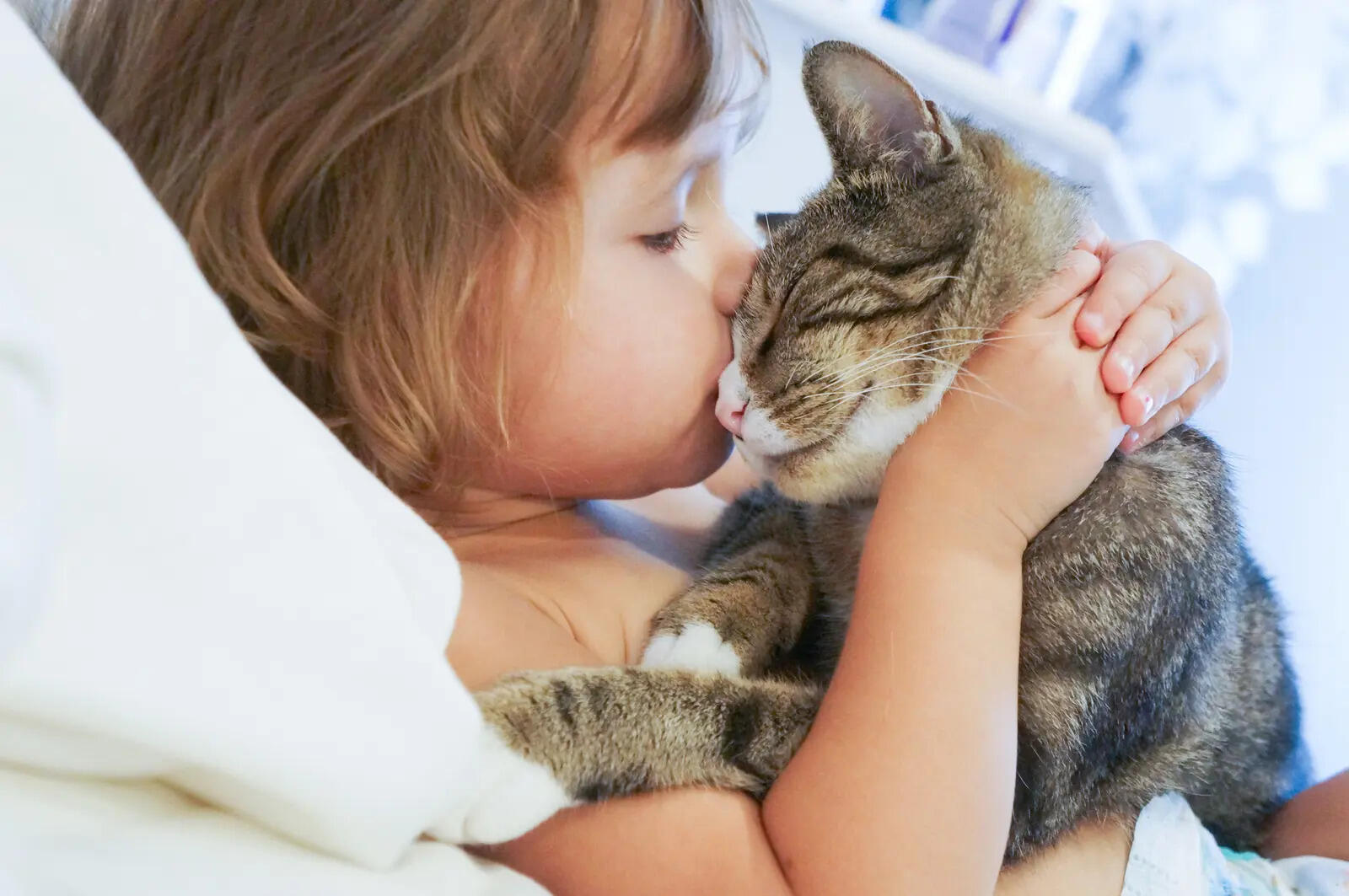
Pets can help children develop empathy, patience, responsibility and problem-solving skills, depending on their age and the animal they care for.
“Cats don’t perform on demand,” Smith noted. “They come to you when they want to, and they make it clear when they don’t. For a 12 or 13-year-old learning to manage relationships and social dynamics, that’s actually a really healthy interaction to have.”Cats offer emotional grounding. Stroking a cat can lower cortisol levels and reduce anxiety, which can be valuable for children dealing with the pressures of middle school.A 2026 study in the Journal of Applied Developmental Psychology established, “Interactions with animals were linked to improved attention, reduced stress biomarkers, and enhanced learning engagement in children.” This supports the idea that pets contribute to learning and development. Reduced stress and improved attention directly enhance a child’s ability to engage, learn and build cognitive skills.
Ages 15+: Dog
Teenagers are ready for the most demanding and rewarding pet of all. Dogs require daily walks, consistent training, feeding schedules and emotional attention. For a teenager, taking on a meaningful share of that responsibility is preparation for adult life.

The right pet at the right age can support a child’s development in ways that go far beyond the classroom.
“A dog doesn’t let you off the hook,” said Smith. “It needs walking whether you feel like it or not, which teaches discipline and follow-through. But the bond you build in return is unlike anything else. Teens who care for dogs develop a strong sense of purpose.”Dogs can also encourage teenagers to spend time outdoors and stay physically active, which supports mental health and focus during a high-pressure period academically.A pet can be an effective learning tool but it never feels like learning at all. David Smith elaborated, “When a child feeds their fish every morning, researches what their gecko needs to stay healthy or takes the dog out before school, they are building habits and skills that no worksheet can replicate. Responsibility, empathy, patience and curiosity are the qualities that shape great learners and great people and pets have a unique way of drawing them out naturally.”At home, that kind of hands-on, emotionally engaged experience is incredibly powerful. The classroom and the living room can work together and sometimes the best teacher in the house has four legs.