




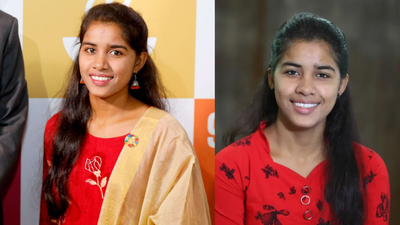
In a village in Rajasthan where child marriage was once seen as tradition rather than unlawful, resistance was almost unthinkable. Yet one teenager chose to say no. Payal Jangid, who was once expected to follow the same path as generations of girls before her, refused to become a child bride. That single act of defiance did more than change her own future. It set her on a path that would turn her into one of India’s most prominent young voices challenging child marriage. From stopping her own wedding at 15 to advocating for girls’ rights on global stages, Payal’s story reflects how personal courage can grow into a movement that challenges deeply rooted social norms. Scroll down to read more.
Growing up in a community shaped by tradition
Payal Jangid was born in Hinsla village in Alwar district of Rajasthan, a region where child marriage historically remained prevalent despite legal prohibitions. For generations, families arranged marriages for girls when they were still children, often during community ceremonies such as Akha Teej, when multiple marriages traditionally took place at once.Like many girls in her village, Payal grew up watching older children being married off before they even finished school. In such communities, social pressure often outweighed legal awareness, and education for girls was sometimes seen as secondary to marriage. However, Payal’s childhood also coincided with increasing awareness campaigns by social organisations working to end child marriage and promote girls’ education. These initiatives would play an important role in shaping her future.
The moment she refused to become a child bride
When Payal was still a teenager, around the age of 15, her family arranged her marriage, following the same customs that had governed village life for decades. For many girls in similar situations, refusing such a decision would have been almost impossible. But Payal chose to resist.
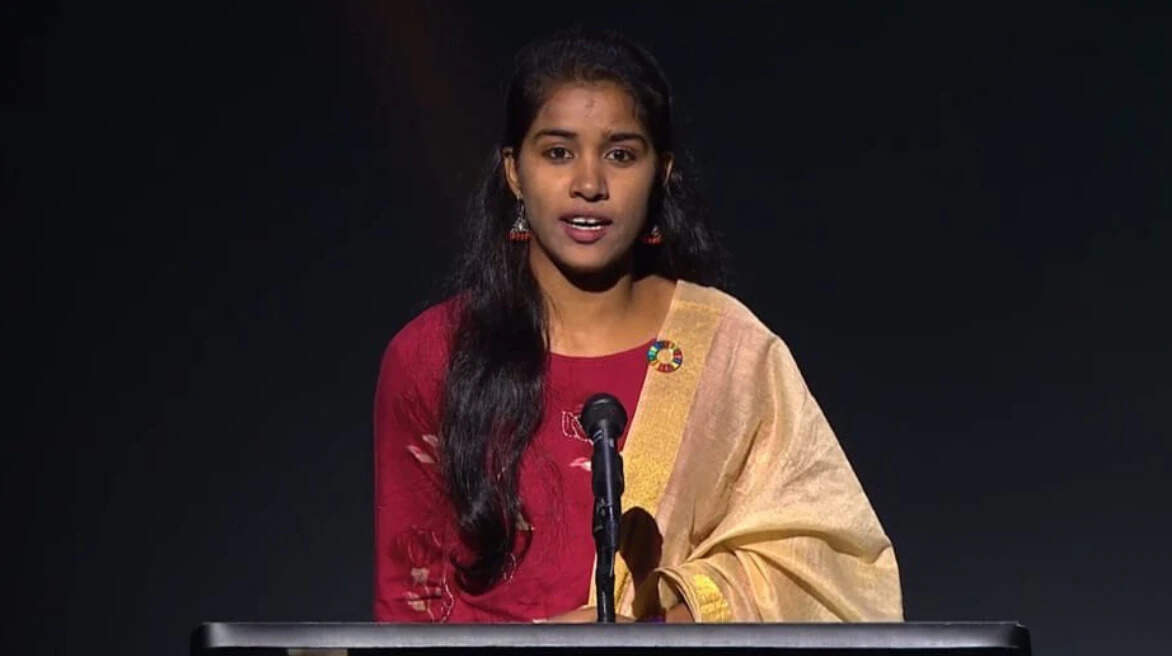
Supported by awareness programmes run by organisations working in the area, she spoke up against the marriage and persuaded her parents to cancel it. Her stand was unusual and risky in a community where challenging tradition could lead to social backlash. This moment became the turning point of her life. Instead of becoming a child bride, Payal decided to continue her education and work to ensure other girls would not face the same situation.
From survivor to activist
After stopping her own child marriage, Payal became involved with Bal Panchayats, or children’s councils, created in several villages by child rights groups. These councils allowed young people to discuss issues affecting children and collectively raise concerns within their communities. Payal soon emerged as a leader within these groups. She began speaking openly about the dangers of child marriage, including its impact on girls’ health, education and independence.Her activism extended beyond her own story. Along with other members of the children’s council, Payal started intervening in cases where families were preparing to marry off underage girls. In several instances, the group alerted authorities and local leaders to stop such ceremonies. Over time, her efforts reportedly helped prevent multiple child marriages in and around her village.
Recognition beyond her village
As Payal’s work gained attention, her voice began reaching audiences far beyond Rajasthan. She became associated with campaigns advocating for children’s rights and girls’ education. Her activism eventually earned international recognition. In 2019, Payal Jangid was awarded the International Children’s Peace Prize, a prestigious honour presented annually to a young changemaker working to improve the lives of children around the world.
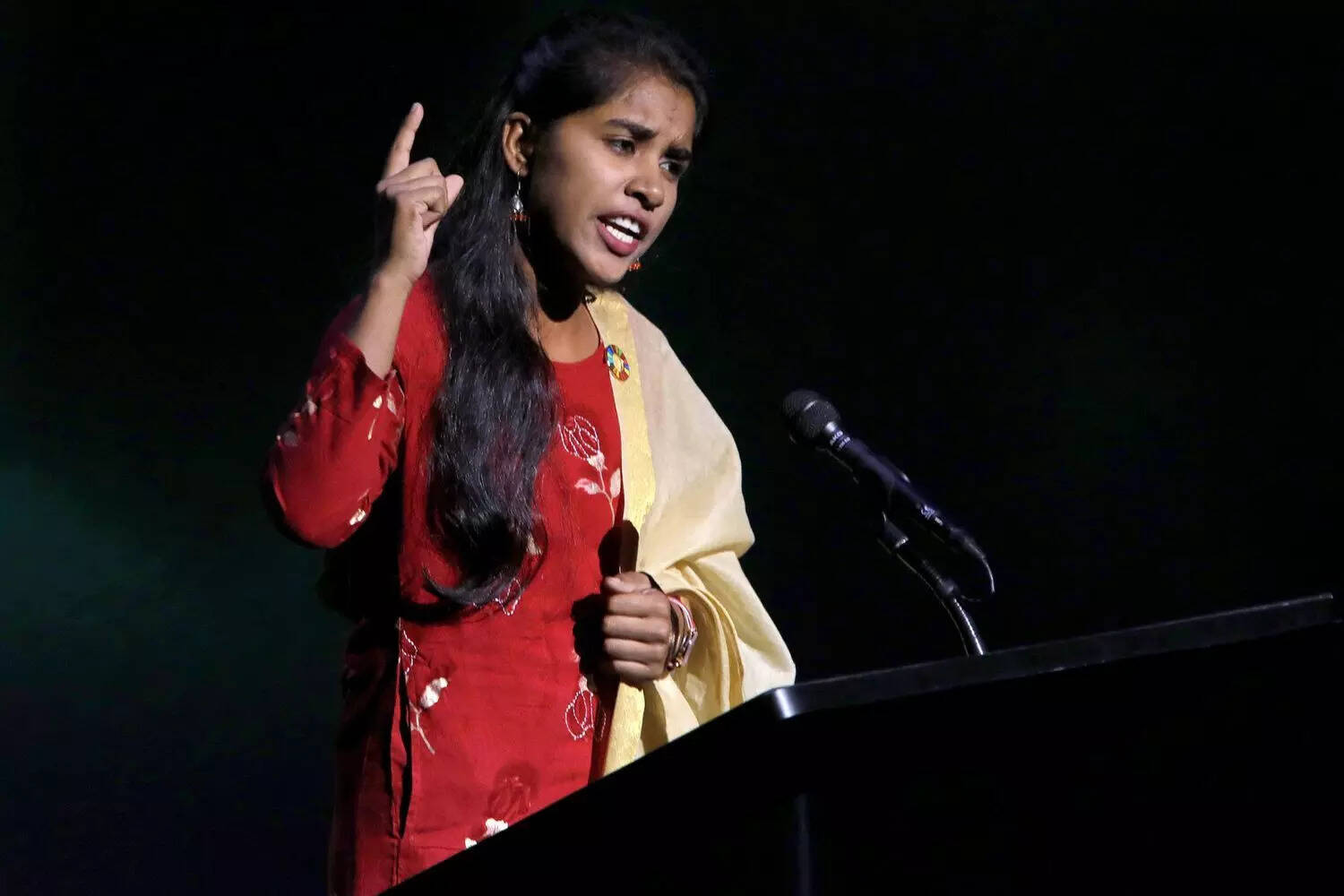
The award highlighted her role in helping create child-led movements against child marriage in her community and encouraging girls to remain in school. Receiving the prize placed Payal among a group of young global activists who have used their experiences to challenge social injustice.
Challenging a deeply rooted social issue
Child marriage remains a significant challenge in parts of India, despite laws prohibiting it. The Prohibition of Child Marriage Act, 2006, sets the legal minimum age of marriage at 18 for women and 21 for men. While national awareness and education have reduced the practice over time, social customs, poverty and lack of access to schooling still contribute to early marriages in some regions.Activists like Payal argue that lasting change requires community engagement rather than confrontation. By speaking directly with families and emphasising the value of education, they aim to shift attitudes gradually. Payal’s approach, rooted in dialogue and example, has been particularly effective because she comes from the same community she hopes to transform.
Education as the path forward
For Payal, continuing her education became both a personal choice and a form of activism. In communities where girls are often pulled out of school early, staying in the classroom sends a powerful message. She has repeatedly emphasised that education provides girls with independence, confidence and the ability to make decisions about their own lives. By sharing her story with other students, Payal hopes to encourage young girls to see alternatives beyond early marriage.
A symbol of change
Today, Payal Jangid’s journey stands as a reminder that social transformation often begins with a single act of courage. What started as one teenager’s refusal to accept a forced marriage evolved into a wider movement challenging a deeply entrenched practice. Her story has resonated not only because of the injustice she faced but also because of the determination she showed in turning that experience into advocacy.In villages like the one where she grew up, the fight against child marriage is far from over. Yet voices like Payal’s demonstrate how young people themselves can become powerful agents of change, challenging tradition, defending their rights and reshaping the future for the next generation.