
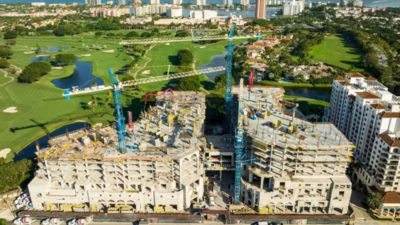
In 2022, Florida buyer Nilesh Undavia put down $1.65 million for a luxury condominium that was supposed to be ready by the end of the year. Four years later, the apartment remains unfinished and his deposit has yet to be returned, even after an arbitration ruling in his favour. The case is part of a growing dispute surrounding Boca Raton’s Mandarin Oriental Residences, where buyers are seeking refunds as the developer faces a $417.7 million foreclosure lawsuit, according to reporting by The New York Times, The Real Deal and The Coastal Star. The development, part of the ambitious Via Mizner project in South Florida, was marketed as an upscale destination combining luxury residences, hotel services and resort-style amenities. Instead, years of construction delays, mounting debts and legal disputes have left prospective homeowners uncertain about when, or whether, they will receive the properties they paid for.
A luxury project that missed its deadlines
Penn-Florida Companies unveiled plans for Via Mizner in 2015, proposing a 2.3-million-square-foot development featuring a Mandarin Oriental hotel, branded condominiums, rental apartments and high-end retail and dining spaces. The original completion target was late 2017. The wider development was designed to offer residents access to amenities including a swimming pool, golf facilities, a country club and a wine cellar. Buyers were also paying for the appeal of living in a property associated with the internationally recognised Mandarin Oriental luxury hospitality brand.However, the project has fallen substantially behind schedule. The rental apartments are operational, but the hotel and condominium components have encountered serious financial and construction problems. Penn-Florida has attributed the delays to a combination of the pandemic, hurricanes, rising construction costs, supply-chain disruptions and higher interest rates. The company has said that close to $1 billion has been invested in the wider development.
Buyers fight to recover million-dollar deposits
Undavia’s case illustrates the financial risks facing buyers who committed substantial sums to properties that have yet to be completed. He agreed to purchase a four-bedroom condominium for $5.5 million in 2022, paying a deposit of $1.65 million. The apartment was advertised with two terraces and distant ocean views, but the promised delivery date passed without the home being completed. Although Undavia secured an arbitration decision directing the developer to refund his deposit with interest, he has reportedly still not received the money.He is not alone. According to The Coastal Star and The Real Deal, 13 buyers have filed lawsuits against the condominium developer over missed completion deadlines. Deposits in several cases have ranged from approximately $1 million to $2 million. Other cases have produced different outcomes. One couple obtained a judgment of approximately $1.98 million, while another buyer dispute involving Undavia and his wife was settled for $2.1 million, according to the South Florida Business Journal. A separate lawsuit filed in October 2026 by another prospective buyer seeking the return of a $1.23 million deposit highlights how the dispute continues to affect purchasers.
A $418 million foreclosure adds to the uncertainty
The condominium tower is now at the centre of a major legal battle between Penn-Florida and its construction lenders. In July 2026, a lender group affiliated with Apollo Global Management filed a foreclosure lawsuit seeking approximately $417.7 million from the developer’s condominium-owning affiliate. The claim includes a $270 million loan principal, advances made toward project expenses, interest and other charges.The lenders allege that the developer defaulted on its loan obligations, missed repayment and construction deadlines, and failed to maintain the required hotel management agreement. Penn-Florida has challenged the lenders’ account. In a separate lawsuit seeking more than $500 million in damages, the developer alleges that the lenders interfered with construction decisions and withheld funding, contributing to the project’s difficulties. Those allegations remain disputed and have not been established as facts by a court. The adjoining hotel has also entered bankruptcy proceedings, adding another layer of uncertainty to the development.
Could buyers lose their deposits?
One of the biggest concerns for purchasers is whether they can recover money already released to the developer for construction. Florida law permits developers to use certain portions of condominium buyers’ deposits for construction when the relevant contractual conditions are met. Consequently, the amount a buyer can recover may depend on how the deposit was handled, the terms of the purchase agreement and the outcome of the legal proceedings.The foreclosure could complicate matters further because secured lenders generally have priority over many other creditors. Buyers whose deposits have already been spent may face a more difficult path to recovering their money than those whose funds remain protected in escrow. The dispute could also undermine the development’s luxury appeal. Mandarin Oriental issued a termination notice to Penn-Florida in 2025 over alleged contractual breaches, including unpaid expenses and reporting obligations. The developer maintains that its agreement with the brand remains in effect, leaving the residences’ branding uncertain.Penn-Florida has indicated that construction could resume and that some homes might be completed within nine months once work restarts. However, no clear restart date has been established. For buyers who invested millions in the promise of a finished luxury home, the immediate question is no longer simply when they can move in. It is whether they will receive their properties or recover the money they paid while the development’s future remains tied up in court.