
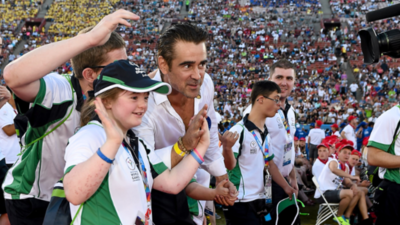
For many families, planning for a child with an intellectual or developmental disability to transition into adulthood brings difficult questions about housing, employment, healthcare and long-term support. Actor Colin Farrell has helped bring attention to these challenges through a foundation inspired by his son James, who has Angelman syndrome, a rare neurogenetic condition. By 2026, the Colin Farrell Foundation had selected 16 organisations across the United States for grants ranging from approximately $10,000 to $50,000 each. According to Sayrs Consulting, which oversaw the foundation’s inaugural grant programme, the selected projects focus on practical solutions designed to improve independence, inclusion and quality of life.
Foundation inspired by Farrell’s son James
Farrell launched the Colin Farrell Foundation in 2024 to support individuals and families living with intellectual and developmental disabilities. His son James was born with Angelman syndrome, a condition that can affect movement, communication and development. The actor has spoken publicly about the importance of ensuring that James and other people with disabilities have opportunities to live meaningful lives with dignity, connection and appropriate support. The foundation’s mission reflects concerns shared by families who must plan for their children’s needs as they grow older.According to the foundation’s official website, its work centres on education, awareness, advocacy and innovative programmes. Its broader priorities include accessible housing, day programmes, employment opportunities and support for the people who provide direct care. The foundation’s first donation was recorded in August 2024, followed by its inaugural fundraiser in Chicago in December that year. These early efforts helped establish the organisation and prepare the ground for its first major grantmaking initiative.
Sixteen organisations selected from 236 applications
The foundation’s inaugural Innovation Grant programme for 2025-2026 attracted 236 applications from organisations working with people with intellectual and developmental disabilities across the country. According to Sayrs Consulting, an independent review committee assessed the applications and selected 16 organisations whose proposals received the highest overall scores. The grants range from approximately $10,000 to $50,000, depending on the selected projects. The programme was designed to support organisations addressing gaps in services that can become particularly challenging when young people with disabilities leave school-based programmes, often around the age of 22.After school services end, families may have to navigate a fragmented system to find suitable housing, structured daytime activities, healthcare and inclusive employment. Community organisations frequently provide these services, but their capacity and resources vary. The foundation’s grants are intended to strengthen these existing organisations and help them develop approaches that could be expanded or replicated in other communities.
Housing, employment and independent living are priorities
The 16 selected organisations work across several areas, including accessible housing, vocational training, recreation, life-skills development and community participation. In North Carolina, 3 Bluebirds Farm operates a social enterprise designed to build life skills and provide inclusive employment opportunities for young adults with autism. A New Leaf in Oklahoma focuses on integrated housing and vocational services to help people develop greater independence.Independence Landing in Florida is developing culinary workforce training alongside residential opportunities for adults with intellectual and developmental disabilities. In California, Golden Heart Ranch uses gardening activities through its “We Grow Together” programme to encourage skills development and a sense of belonging. Other recipients are working to expand accessible recreation and social connections. The Ability Center of Southern Nevada operates an adaptive fitness centre with a sensory gym and training programmes, while Jacob’s Chance in Virginia provides inclusive sports and social activities.Community Access to the Arts in Massachusetts supports artistic expression through workshops and performances, giving people with disabilities opportunities to share their work and participate in cultural life. These projects illustrate the programme’s broad approach: support is not limited to medical or residential care but also includes work, recreation, creativity and relationships.
Grants address gaps in adult disability services
Other selected organisations are focusing on housing models and coordinated support. L’Arche Chicago works to foster community living with nursing support, while Sweetwater Spectrum in California develops a residential model designed around inclusive community life. Tall Tales Ranch in Colorado combines housing, employment and storytelling. The Next Step Programs in Pennsylvania helps young adults access integrated housing and employment pathways. Villa Esperanza Services in California provides education, speech services and community programmes.Meanwhile, Equip Services in Alabama is expanding vocational training and access through a wheelchair-accessible van. Emory Valley Center in Tennessee is developing pathways towards greater community independence, and Many Hands Lifesharing Community in Michigan combines farming, crafts and day programmes. SNACK and Friends, a New York nonprofit supporting young people with autism and other developmental disabilities, is piloting transitional housing and enrichment for young people with significant intellectual and developmental disabilities. Together, the projects reflect the foundation’s focus on giving people opportunities to participate in their communities while providing families with additional support.
A national effort to strengthen community support
The grant programme marks an important step in the foundation’s effort to support established organisations rather than relying on a single model of care. Its priorities include affordable shared housing, inclusive employment, accessible technologies and partnerships between public agencies, private organisations and nonprofits. The foundation’s work also highlights a challenge that extends beyond individual families: ensuring that services remain available as people with disabilities move into adulthood.For Farrell, the initiative builds on a personal connection to the disability community while supporting organisations working on practical solutions across the United States. The 16 selected recipients represent different approaches to housing, employment, education and social participation, united by the goal of expanding opportunities for people with intellectual and developmental disabilities and their families.