




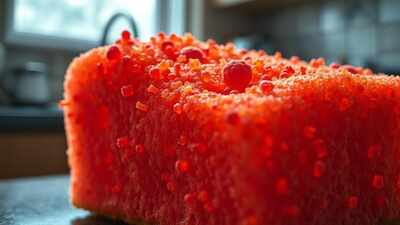
The kitchen sponge, which is often called upon for all manner of household tasks, from cleaning up spilt coffee to tackling that pesky lasagna grease stain, may be more unsung than its cousin, the mop. But for all it does, there is something of an unpleasant truth about the trusty sponge. Those pungent smells you notice when you pick it up to clean your countertop? They are more than just a sign of “hard work”; there is much more going on in there than meets the eye.This unpleasant aroma does not only exist to offend you; it is rather a chemical marker that your sponge is now a “hot spot” for the proliferation of microbes. Sponges must remain moist due to their nature as porous materials, which constantly come into contact with water. Along with the wetness, the food particles get stuck in the fibre, turning sponges into a paradise for bacteria. Understanding this becomes an important step on your way to keeping your kitchen clean and hygienic.Microbes living in your sinkThere is a clear explanation why there is an odour emanating from the sponge: It is literally teeming with living organisms. When the sponge remains wet, the reproduction rate of bacteria increases. During their feeding process, bacteria give off volatile compounds, which form a distinctive sour odour. These microbes are mostly harmless, although certain species may resist elimination and be harmful to humans.In-depth research on the Microbiological quality of kitchens sponges used in university student dormitories was conducted to examine the extent to which these sponges might be inhabited by microorganisms. The study found that there were exceptionally large numbers of microbes in sponges used in shared facilities, with some bacterial populations numbering into the millions per cubic centimetre. It was highlighted that although a sponge may look clean, it might house bacteria like Enterobacter and Klebsiella, among others.Our behaviours are creating the problem. We usually take a single sponge and use it for everything – cleaning the stove, cleaning the sink, and finally cleaning the chopping block, and through that process of sloppiness, the germs get transferred from one surface to another. In the case of the dorm study, even if the sponge is slightly moist, it will still contain these microorganisms for a few days unless there is a conscious effort to sanitise them.
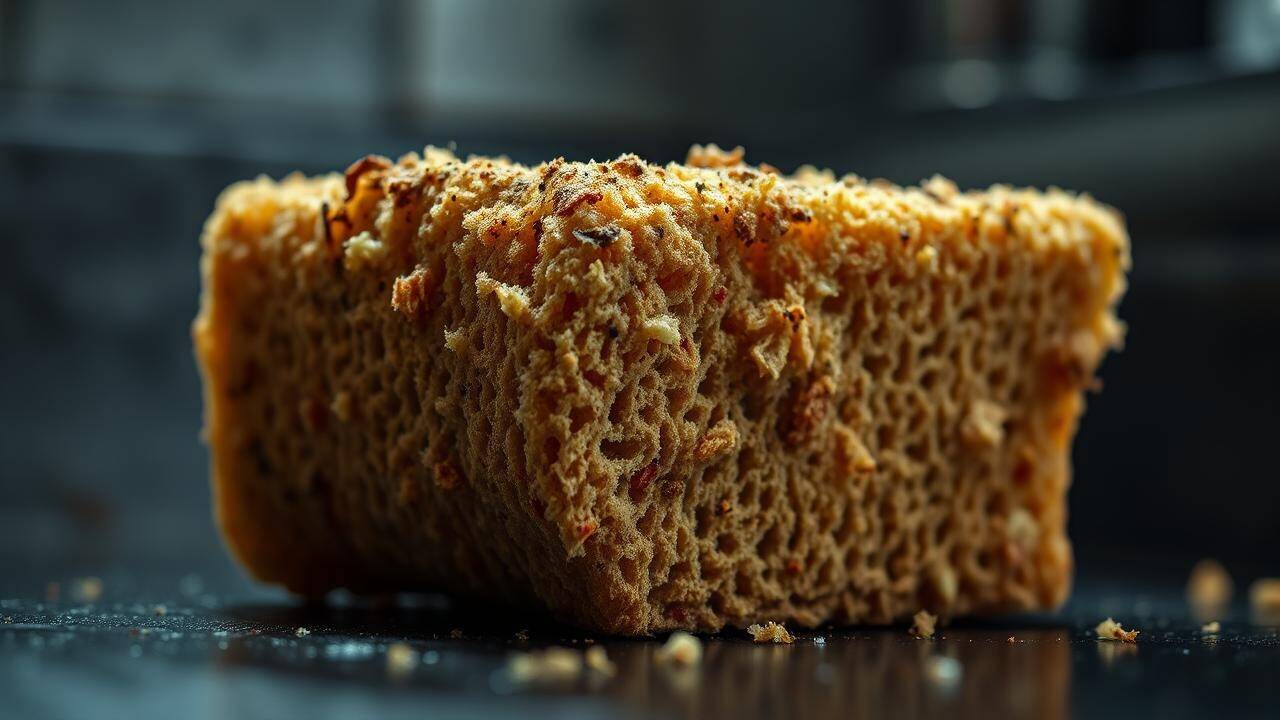
To combat this, experts recommend sanitizing sponges with high heat or replacing them every one to two weeks.
Breaking the cycle of wetness and foul odourLetting the sponge sit on the side of the sink won’t make those microorganisms go away. They have adapted themselves to survive in the dry state until they find moisture again to reproduce. The pleasant smell of cleanliness disappears right away because of the presence of the microorganisms.Research published in the Italian Journal of Food Safety provides an even more sobering look at the risks. This investigation found evidence of highly resistant bacteria, including Extended Spectrum Beta Lactamase (ESBL) producing strains, living in ordinary household sponges. These are bacteria that have developed a resistance to common treatments, making them a significant concern for kitchen safety. The study suggests that the “crevices” within the sponge material act as protective shelters for these hardy microbes.How, then, do you avoid making your kitchen an experiment station for microorganisms? By heating it up! Soap and water will help remove some of the surface bacteria, but won’t get rid of the deep-set bacteria that live inside the pores of your sponge. According to both studies, the only way to sanitise a used sponge is by exposing it to high temperatures. Run it through the high heat of a dishwasher or use a microwave on it for one or two minutes.Apart from using hot water, another easy trick that you can try out is the replacement method. All the specialists advise you to replace your sponge after about one or two weeks if a bad smell persists in it. The sponge should be treated as a disposable material and should be sterilised before reuse, thus avoiding any possible smells. Using science in your daily routine will keep your home clean.